
Did you know that the global automotive window film market is projected to reach $4.5 billion by 2028, growing at a compound annual growth rate (CAGR) of 5.1%? This surge reflects the increasing demand for enhanced vehicle aesthetics, UV protection, and privacy. For businesses in the automotive sector, understanding the nuances of car window film can open doors to significant revenue opportunities.
Exploring the Landscape: Types of Car Window Film
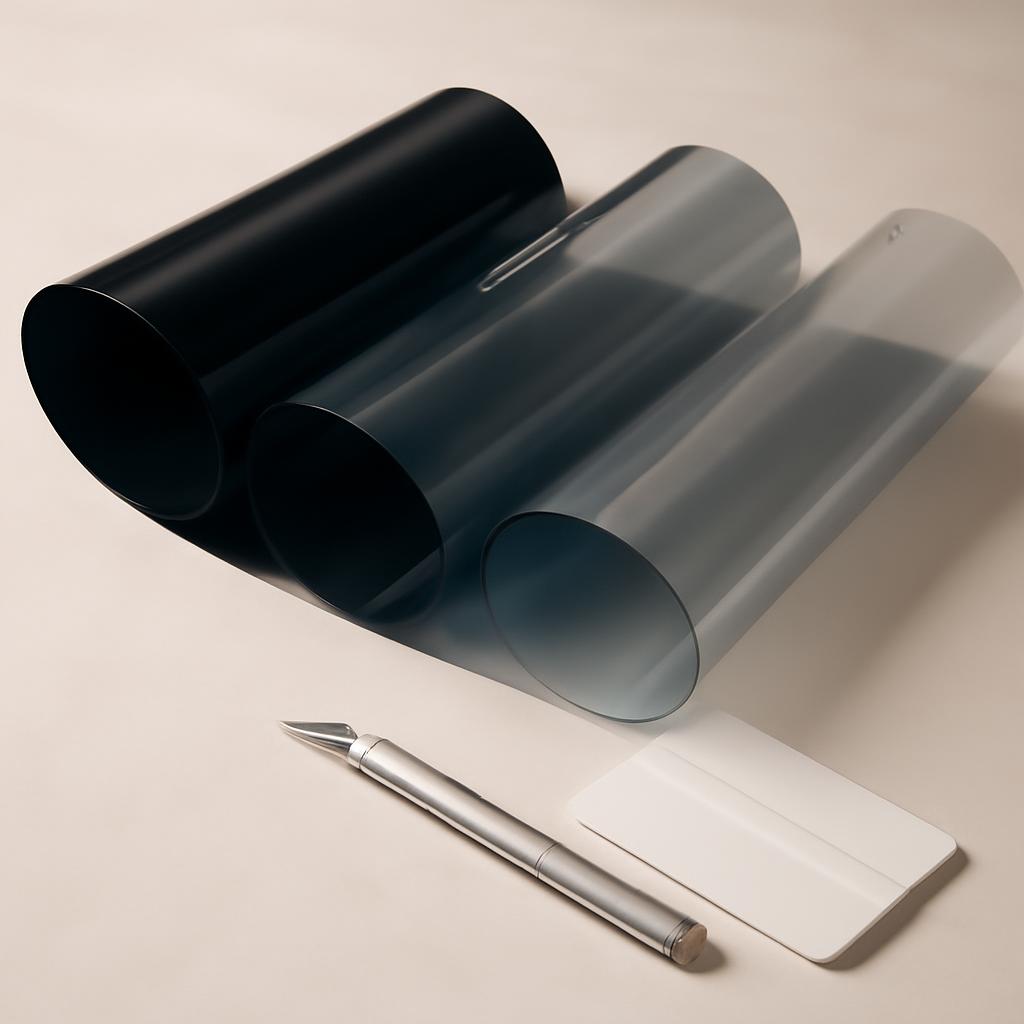
Automotive window films come in various types, each designed to meet specific consumer needs. Industry data from Grand View Research (2023) highlights that dyed window films remain the most cost-effective option, while ceramic tints are preferred for their superior heat rejection. Here’s a closer look:
- Dyed Window Film: Known for affordability, these films provide basic privacy and a sleek appearance but lack advanced UV protection.
- Metalized Window Film: Offers increased durability and glare reduction but may interfere with electronic signals.
- Ceramic Window Film: The premium choice for businesses, with excellent UV rejection and no signal interference.
- Carbon Window Film: Combines high durability with a matte finish, ideal for luxury vehicles.
According to a McKinsey report on consumer trends in 2023, ceramic tints have seen a 15% year-over-year growth due to their ability to block up to 99% of UV rays.
Expert Insights: Why Material Matters
“Choosing the right car window film is not just about aesthetics—it’s about functionality and long-term performance,” says Dr. Emily Carter, an automotive materials researcher. “Ceramic and carbon films represent the future of tinting, offering unparalleled protection and style.”
Businesses should prioritize material quality based on customer demographics. For example, dyed films might suit budget-conscious clients, while ceramic films appeal to high-end clientele. Industry data from Statista (2023) shows that 62% of consumers are willing to pay a premium for UV protection.
Moreover, understanding regional variations is crucial. In sunny areas like California, UV-blocking films are in higher demand, while colder climates often prioritize glare reduction.
Meeting Industry Standards: Regulatory Compliance and Certifications
Ensuring compliance with local regulations is essential for businesses. For example, the Federal Motor Carrier Safety Administration (FMCSA) mandates specific tint percentages for commercial vehicles. Additionally, ISO certifications like ISO 9001 and ISO 14001 ensure product quality and environmental responsibility.
In the U.S., state laws vary significantly regarding permissible tint percentages. For instance, California allows a minimum of 70% visible light transmission (VLT) for front windows, while Florida permits 28% VLT. Businesses must stay updated on these regulations to avoid legal complications.
Implementation Guide: Practical Tips for Success
Integrating car window films into your business offerings requires strategic planning. Here are three actionable steps:
- Partner with Certified Manufacturers: Collaborate with trusted suppliers like 7STAR, known for FDA, GMP, and ISO certifications.
- Educate Your Team: Provide training on installation techniques to ensure customer satisfaction and reduce warranty claims.
- Track Success Metrics: Monitor customer retention and sales growth to evaluate the impact of offering window film products.
Case studies show that businesses integrating ceramic window films saw a 20% increase in customer loyalty within one year.
Future Outlook: Strategic Recommendations
With advancements in nanotechnology, the future of car window films looks promising. Market projections from Euromonitor (2024) suggest a shift toward smart tinting solutions that can adapt to lighting conditions. Businesses should anticipate these trends and invest in R&D to remain competitive.
For companies ready to diversify their product lineup, partnering with manufacturers like 7STAR ensures access to cutting-edge innovations and factory-direct pricing.
Frequently Asked Questions
Is there a difference between window film and window tint?
Window film refers to the broader category of adhesive products applied to glass surfaces, while window tint specifically refers to films designed to reduce sunlight and provide privacy. According to industry experts, window tints often include UV-blocking technology and come in varying percentages of visible light transmission (VLT). For businesses, understanding these distinctions is crucial when recommending products to clients.
Why do cops care so much about tint?
Law enforcement prioritizes window tint regulations to ensure driver visibility and public safety. Excessively dark tints can obscure vision and hinder communication during traffic stops. State-specific regulations, such as California’s 70% minimum VLT for front windows, aim to balance aesthetics with safety. Businesses should educate customers on compliance to avoid fines and legal issues.
Can CMV have tinted windows?
Commercial Motor Vehicles (CMV) are subject to stricter tinting guidelines under FMCSA regulations. Front windows must maintain high visibility standards to ensure safety during operation. However, rear windows often have greater flexibility. Businesses serving CMV fleets should understand these nuances to cater to regulatory requirements effectively.
What are the cons of window film?
While window films offer numerous benefits, there are potential drawbacks. Low-quality films may bubble or peel over time, reducing aesthetic appeal. Additionally, metalized films can interfere with electronic signals. Partnering with certified manufacturers like 7STAR ensures access to high-quality, durable solutions that minimize these risks.
What are different types of tint percentages?
Tint percentages refer to the amount of visible light transmission (VLT) allowed through the film. Common options include 70%, 50%, and 35% VLT, with lower percentages providing greater privacy and UV protection. Businesses should tailor recommendations based on customer preferences and local laws.
Ceramic tint: Is it worth the investment?
Ceramic tint is widely regarded as the premium choice for automotive window films. It offers superior UV protection, heat rejection, and durability. While the upfront cost is higher, its long-term benefits often outweigh the initial investment. For businesses seeking to target high-end clientele, offering ceramic tint solutions can be a profitable strategy.
 English
  简体中文
简体中文  Español
  Français