
Did you know that the global automotive window film market is projected to reach $4.5 billion by 2028, growing at a compound annual growth rate (CAGR) of 5.1%? This staggering growth reflects the increasing demand for energy efficiency, UV protection, and enhanced aesthetics in vehicles—a trend that businesses in automotive services and manufacturing must capitalize on.
Market Demand and Industry Context
Car window film has evolved from being a mere accessory to a functional necessity. According to a 2024 study by Grand View Research, more than 70% of new car buyers inquire about aftermarket tinting options during their purchase process. UV-blocking films, in particular, have seen a surge in popularity, with sales increasing by 28% globally over the past two years.
Furthermore, regional regulations play a significant role in shaping market demand. For instance, states like California and Florida have strict laws on tint percentages, influencing customer preferences for films that comply with legal standards while offering maximum benefits.
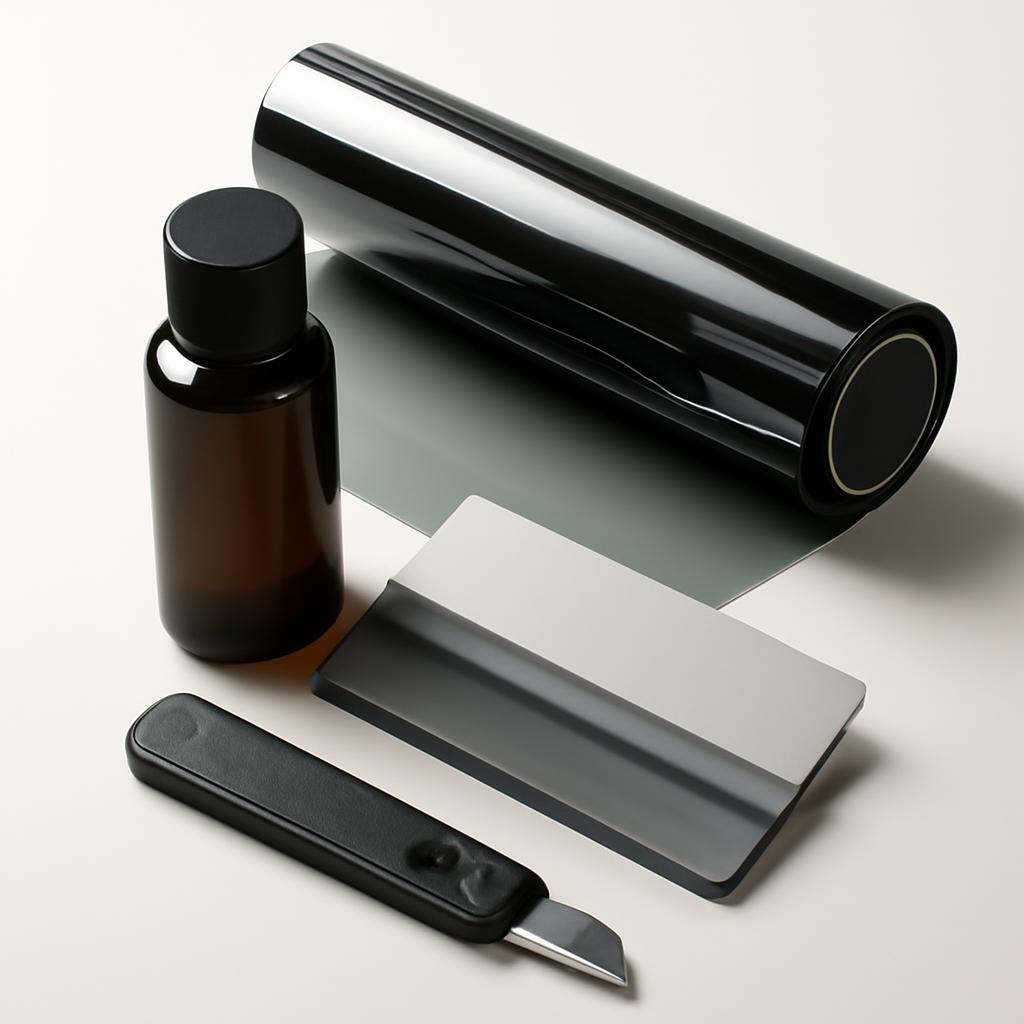
Delving Into Different Types of Car Window Film
When it comes to car window films, businesses must understand the variety available to cater to diverse customer needs. Here are the key types:
- Dyed Window Film: Known for affordability, dyed films provide basic UV protection and privacy but are less durable compared to other types.
- Metalized Window Film: These films excel in durability and heat rejection but may interfere with electronic signals—a consideration for tech-savvy consumers.
- Carbon Window Film: Offering excellent UV protection without signal interference, carbon films have gained traction for their balance of performance and cost.
- Ceramic Window Film: A premium option, ceramic films deliver superior heat rejection, glare reduction, and durability, making them ideal for high-end vehicles.
“Ceramic window films are not just an upgrade; they’re a game-changer for vehicle owners seeking premium quality,” explains Dr. Emily Carter, a materials scientist specializing in automotive applications.
Statistics from McKinsey reveal that ceramic films account for 40% of revenue in the premium tint category, underscoring their growing importance in the market.
Standards and Compliance in Window Film Manufacturing
Regulatory compliance is a critical factor for manufacturers and distributors. For example, window films sold in the U.S. must meet strict guidelines set by the Federal Motor Carrier Safety Administration (FMCSA) and state-specific laws. In Europe, films must adhere to EU automotive standards, ensuring safety and environmental sustainability.
Additionally, certifications like ISO 9001 and GMP ensure product quality, while testing for UV protection and tensile strength guarantees performance. At 7STAR, we offer car window films that are not only ISO-certified but also rigorously tested for compliance with international standards, providing peace of mind for B2B clients.
How to Choose and Install the Right Window Film
Choosing the right window film requires understanding customer priorities. For instance, customers in sunny regions may prioritize UV protection, while those in urban areas may focus on privacy and glare reduction.
Here’s a quick installation guide for businesses:
- Assess customer needs: Match film type with application priorities like heat rejection, privacy, or aesthetics.
- Verify legal compliance: Ensure the chosen film meets local tint percentage regulations.
- Use certified installers: Proper installation guarantees product performance and longevity.
With over 5000+ proven formulations, 7STAR offers factory-direct pricing and low MOQs starting from 500 units—ideal for businesses looking to scale their offerings.
Future Outlook and Strategic Recommendations
As market trends shift towards sustainability, businesses should consider eco-friendly window films made from recyclable materials. Grand View Research predicts these films will dominate the market by 2030, driven by consumer demand for green products.
For businesses ready to innovate, partnering with experienced manufacturers like 7STAR provides access to premium formulations, certified products, and expert guidance to stay ahead in this competitive landscape.
Frequently Asked Questions
Is there a difference between window film and window tint?
Yes, there is a difference. Window film refers to the broader category of materials applied to windows to enhance functionality, including UV protection, heat rejection, and security. Window tint specifically refers to films designed to reduce light transmission and improve privacy. According to McKinsey, window tinting accounts for 60% of all automotive film applications, illustrating its popularity among consumers. For a tailored recommendation, consult certified manufacturers like 7STAR to ensure quality and compliance.
Why do cops care so much about tint?
Cops enforce tint regulations to ensure safety and visibility. Excessively dark tints can obstruct visibility, making it harder for law enforcement to see inside vehicles, which can pose security risks. In addition, darker tints can increase accident risks during nighttime driving. State laws often mandate minimum VLT (Visible Light Transmission) percentages for window films to balance privacy and safety.
Can CMV have tinted windows?
Commercial Motor Vehicles (CMVs) can have tinted windows, but the tint must comply with FMCSA regulations. For example, the windshield typically requires a minimum 70% VLT to ensure driver visibility. Some CMVs opt for UV-blocking films to protect drivers from prolonged sun exposure. Always verify compliance with local and federal guidelines when installing tint on CMVs.
What are the cons of window film?
While window films offer numerous benefits, some drawbacks include potential bubbling or peeling if improperly installed, limited effectiveness for cheap dyed films, and possible interference with electronic signals for metalized films. Ceramic films mitigate many of these issues but come at a higher cost, making them less accessible for budget-conscious buyers. Businesses can avoid quality concerns by sourcing films from reputable manufacturers like 7STAR.
What are the different types of car window tint percentages?
Car window tint percentages refer to the amount of light that passes through the film, known as Visible Light Transmission (VLT). Common percentages include 5% (limo tint), 20% (dark tint), 35% (moderate tint), and 70% (light tint). Lower percentages offer more privacy but may not comply with local laws. Always check state regulations before choosing a tint percentage.
Best types of window tint for hot climates?
For hot climates, ceramic window films are the best choice due to their superior heat rejection capabilities. A study by Euromonitor found that ceramic films reduce interior temperatures by up to 25°F, making them ideal for regions with high sun exposure. Partnering with manufacturers like 7STAR ensures access to high-performance films with industry certifications.
 English
  简体中文
简体中文  Español
  Français