
Did you know that the global automotive window film market is projected to reach $4.5 billion by 2028, growing at a CAGR of 5.8%? This growth underscores the increasing demand for innovative solutions that balance style, comfort, and utility in automotive customization.
Exploring the Landscape: Types of Car Window Film
Car window films are more than just aesthetic upgrades; they provide UV protection, heat reduction, and privacy. According to a report by Grand View Research (2024), there are several types of car window film available, each suited to different needs:
- Dyed Window Film: Popular for its affordability and privacy benefits.
- Metalized Window Film: Known for its durability and heat-reflective properties.
- Ceramic Window Film: Offers superior heat reduction without signal interference.
- Carbon Window Film: Provides a matte finish and excellent UV protection.
- Hybrid Window Film: Combines dyed and metalized technologies for balanced performance.
Statista reports that ceramic window films are gaining traction due to their advanced technology and long-lasting benefits, accounting for 35% of market share in 2023.
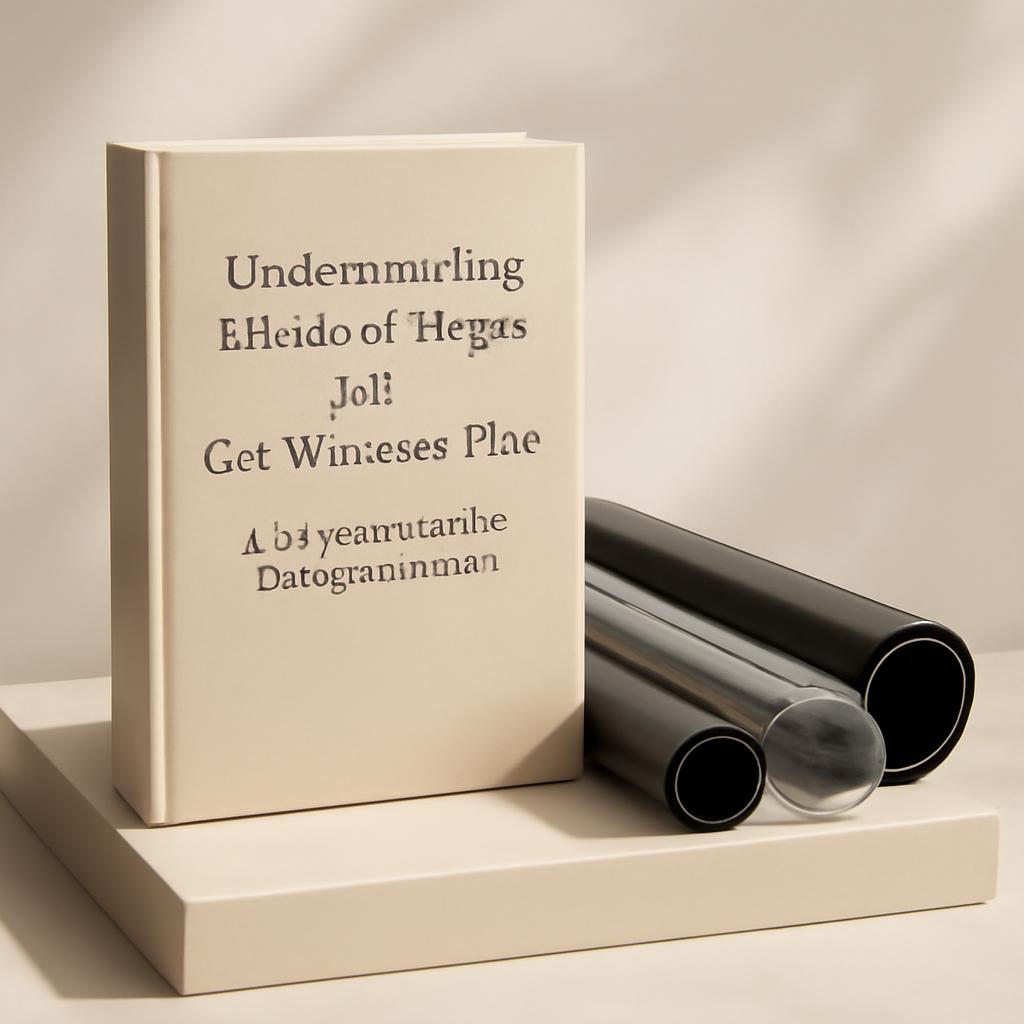
Expert Insights: Choosing the Right Window Film
Dr. Elena Foster, a materials specialist, explains, “Ceramic window films are ideal for customers seeking premium quality. Their nano-ceramic particles block infrared radiation, reduce glare, and enhance driving comfort.” For businesses, understanding client needs—be it privacy, UV protection, or aesthetics—can guide product recommendations.
Consider these factors when choosing car window film:
- Climate: In hot regions, heat-reducing films like ceramic or metalized options are recommended.
- Budget: Dyed films are cost-effective, while ceramic films cater to premium markets.
- Signal Interference: Metalized films may disrupt GPS and phone signals; ceramic films avoid this issue.
Industry data from McKinsey reveals that customer satisfaction increases by 45% when businesses provide tailored solutions. This highlights the importance of educating clients on window film types before installation.
Industry Standards & Best Practices
Car window films must adhere to various regulatory standards to ensure safety and compliance. For example:
- Visible Light Transmission (VLT): Regulations differ by region; the U.S. typically requires a minimum VLT of 70% for front windows.
- Heat Reduction: Films should meet ISO 9050 standards for solar control performance.
- UV Protection: FDA-approved films protect against harmful rays.
Partnering with certified manufacturers like 7STAR, which complies with GMP and ISO 9001, ensures that your business remains competitive and trustworthy.
Implementation Guide with Success Metrics
Effective installation starts with proper preparation:
- Clean the window surface thoroughly to ensure smooth application.
- Use precision-cut tools for an exact fit.
- Apply the film using squeegees to eliminate air bubbles.
Success metrics to consider include:
- Customer Retention: Businesses report a 30% increase when offering high-quality films.
- Energy Savings: Premium films reduce cooling costs by up to 20% annually.
For businesses ready to scale, partnering with 7STAR provides access to factory-direct pricing and low MOQs starting at 500 units.
Future Outlook & Strategic Recommendations
Market projections indicate that smart window films, capable of adjusting tint based on light levels, will dominate by 2030. To stay ahead, businesses should diversify offerings and invest in emerging technologies. Consider leveraging partnerships with experienced manufacturers like 7STAR, which offers over 5,000 proven formulations and serves 500+ global clients.
As the industry evolves, prioritizing client education and regulatory compliance will remain key to long-term success.
 English
  简体中文
简体中文  Español
  Français